Top DIY Sewing Machine Maintenance Tips to Keep Your Machine Running Smoothly


Maintaining your sewing machine is essential to ensure it runs smoothly and lasts for years. With a few simple DIY tips, you can keep your machine in top condition without needing frequent professional servicing. Let's dive into these essential maintenance practices.
Regular Cleaning
One of the simplest yet most effective ways to maintain your sewing machine is through regular cleaning. Dust, lint, and thread bits can accumulate in the machine, affecting its performance.
Daily Brushing
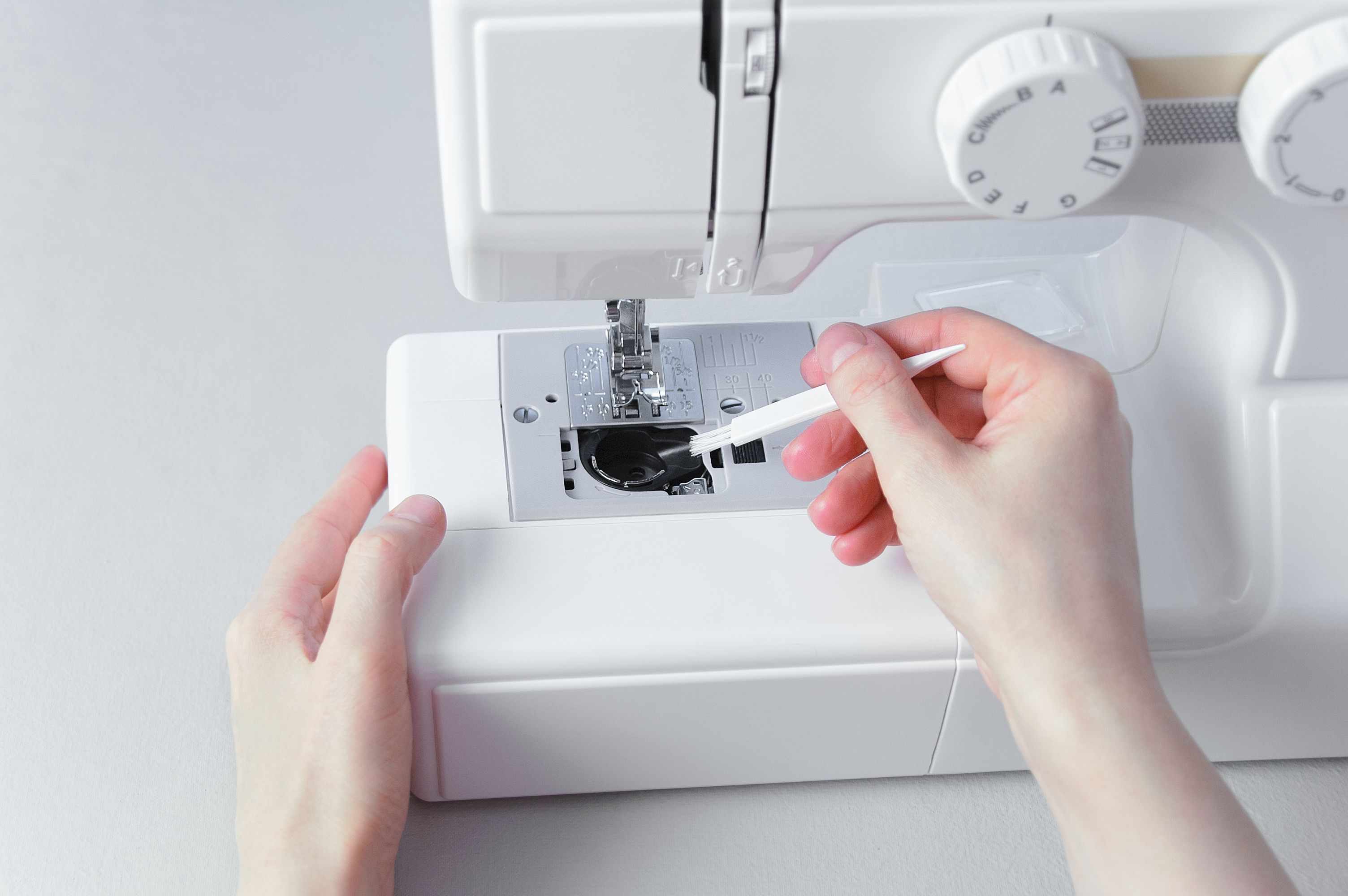
After every sewing session, use a small brush to remove lint and dust from the bobbin area and feed dogs. This prevents buildup that can cause your machine to jam or run noisily.
Monthly Deep Clean
Once a month, take a few minutes to perform a deeper clean. Remove the needle plate and clean underneath it. Also, check the bobbin case for any leftover lint. Remember to unplug your machine before cleaning.
Proper Lubrication
Lubricating your sewing machine is crucial to its longevity and smooth operation. However, it’s important to use the right type of oil.
Use Sewing Machine Oil
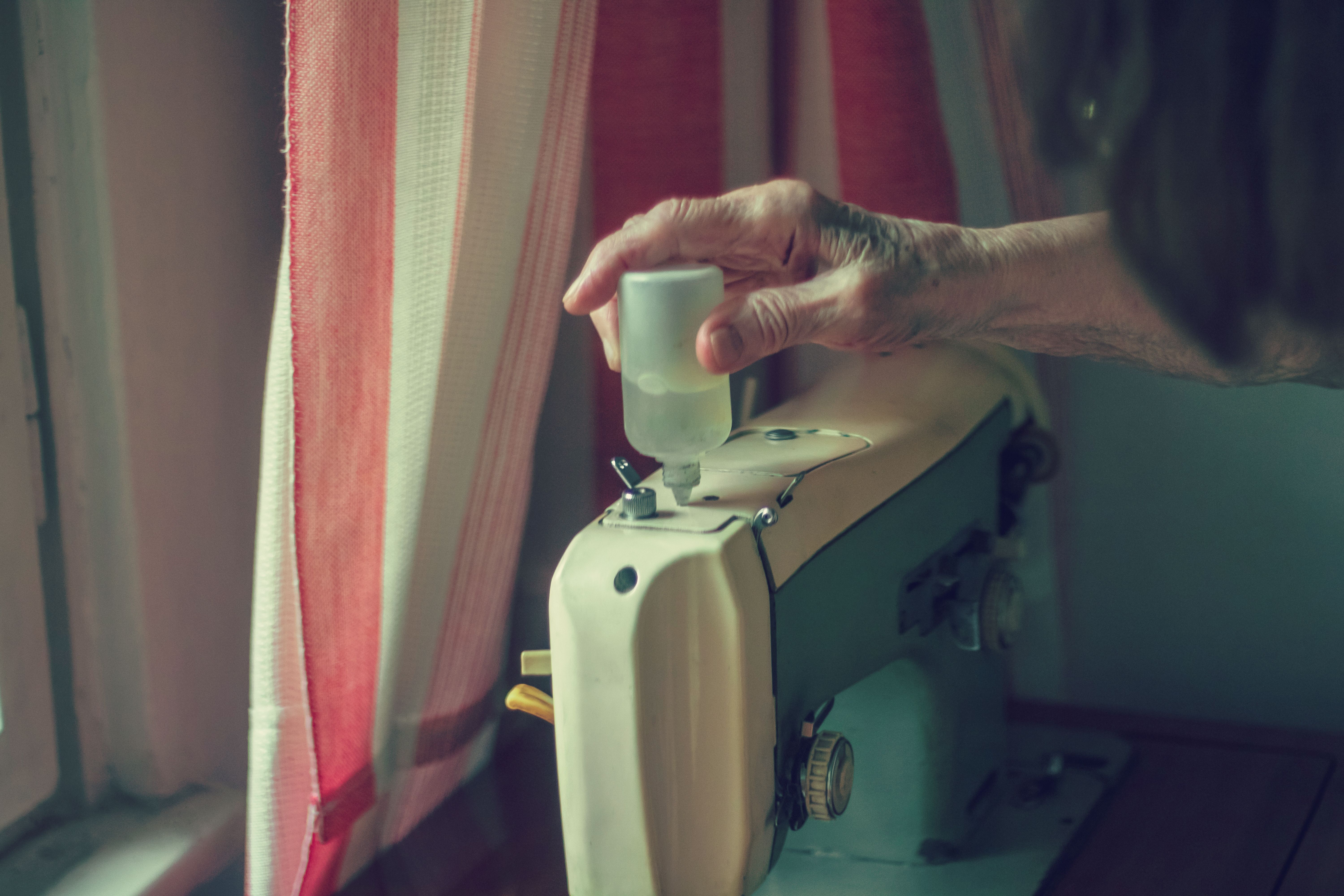
Always use oil specifically designed for sewing machines. Avoid using regular household oils as they can gum up the machine. Apply a few drops of oil to the designated spots as per your machine's manual.
Frequency of Lubrication
Lubrication frequency depends on how often you use your machine. If you sew frequently, oil your machine weekly. For occasional use, monthly lubrication should suffice.
Needle Care
The needle is a crucial component of your sewing machine. Maintaining it properly ensures smooth and precise sewing.
Regular Needle Replacement
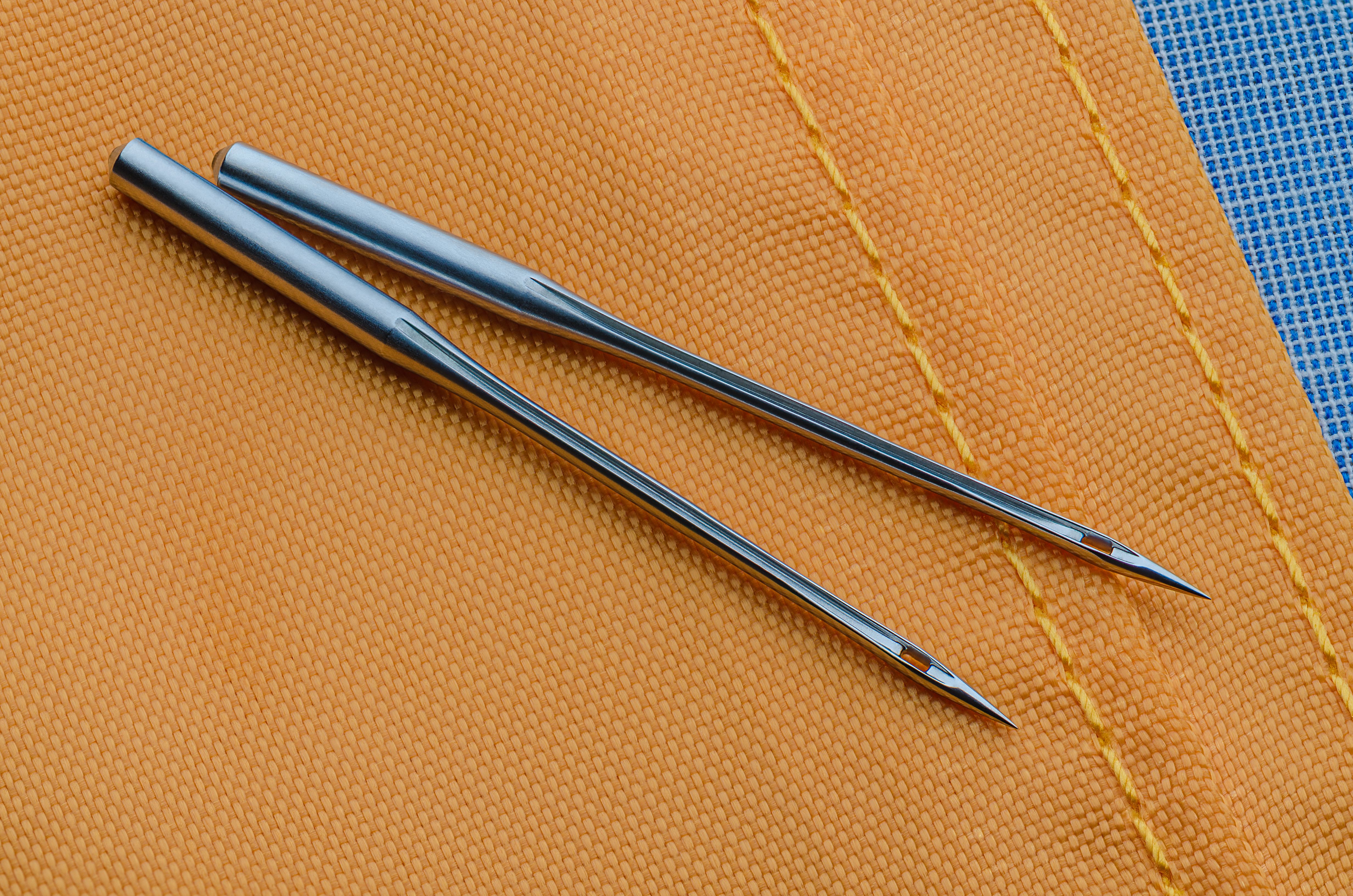
Change your needle after every project or every 8-10 hours of sewing. A dull or bent needle can cause skipped stitches and damage your fabric.
Choose the Right Needle
Using the correct needle for the fabric you're working with is important. Refer to your machine's manual or needle packaging for guidance on selecting the appropriate type and size.
Check Tension and Alignment
Ensuring your machine's tension and alignment are correct is key to achieving flawless stitching.
Adjust Thread Tension
If your stitches are uneven, it may be due to incorrect thread tension. Test on a scrap piece of fabric and adjust the tension dial accordingly until the stitches are balanced.
Inspect Alignment
Regularly check that the needle is centered and the presser foot aligns with the feed dogs. Misalignment can lead to broken needles and uneven stitching.
By incorporating these DIY maintenance tips into your routine, you can enjoy a smooth and efficient sewing experience. Regular care not only enhances performance but also extends the life of your sewing machine.