DIY Sewing Machine Maintenance: A Step-by-Step Tutorial


Introduction to Sewing Machine Maintenance
Maintaining your sewing machine is crucial for ensuring its longevity and optimal performance. Regular upkeep can prevent common issues such as thread jams and inconsistent stitching. Whether you're a seasoned seamstress or a novice, this step-by-step guide will help you keep your machine in top shape.
Gather Your Tools
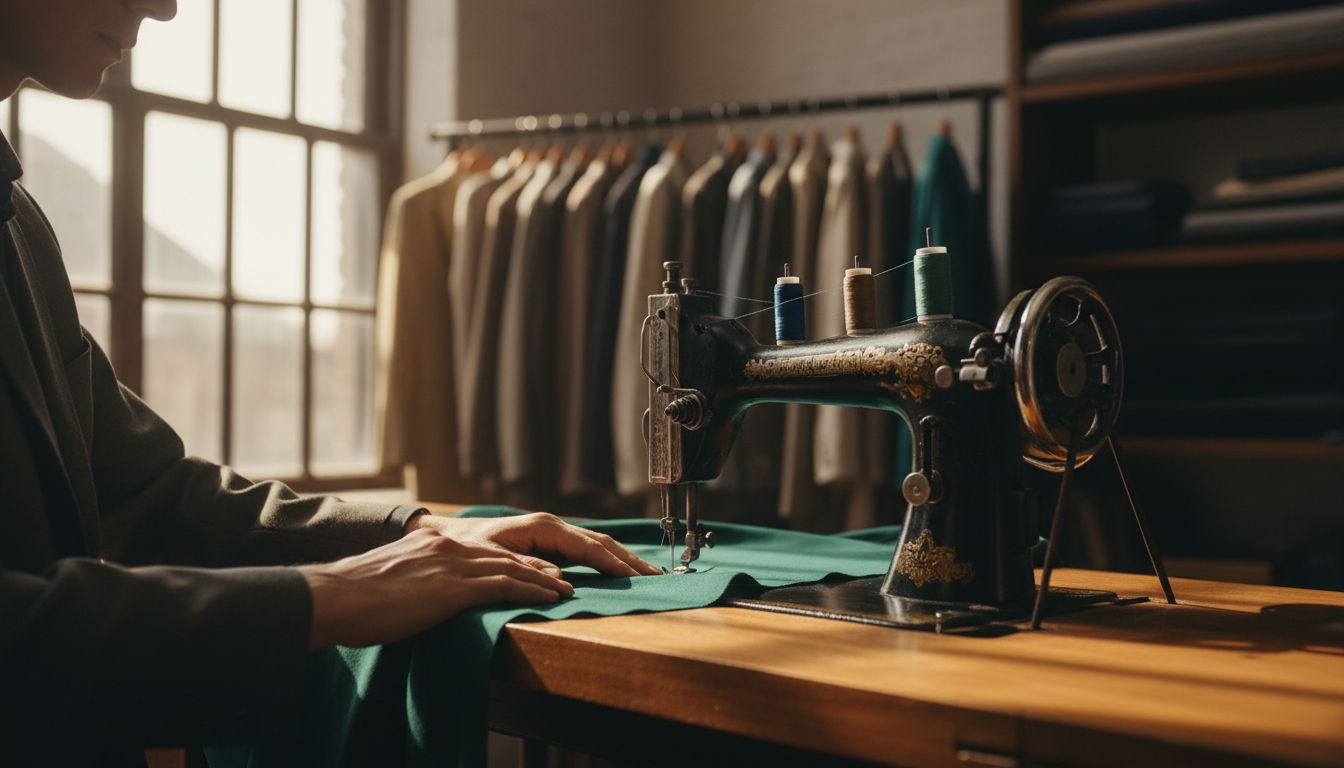
Before diving into maintenance, it's essential to gather the right tools. You'll need a small screwdriver, a soft brush, sewing machine oil, and a lint-free cloth. Having these on hand will make the process smoother and more efficient.
- Small screwdriver
- Soft brush
- Sewing machine oil
- Lint-free cloth
Unplug and Disassemble
Safety first! Always unplug your sewing machine before starting any maintenance work. Carefully remove the needle, presser foot, and bobbin case. This will give you better access to the areas that need cleaning.
Cleaning the Machine
Begin by using the soft brush to gently remove lint and dust from around the bobbin area and feed dogs. These areas tend to accumulate the most debris. Be thorough, as trapped lint can affect your machine's performance.
Oiling the Machine
Regular oiling is vital for smooth operation. Refer to your sewing machine's manual to find the oiling points. Apply a small amount of sewing machine oil to these areas. Avoid over-oiling, as excess oil can attract more lint.
Reassemble and Test
Once you've cleaned and oiled the machine, it's time to reassemble. Insert the bobbin case, reattach the presser foot, and insert a new needle if needed. Plug the machine back in and run a few stitches on scrap fabric to ensure everything is functioning correctly.
Regular Maintenance Tips
To keep your sewing machine in good condition, follow these regular maintenance tips:
- Clean your machine after every project.
- Change the needle regularly, usually after 8-10 hours of sewing.
- Store your machine in a dust-free environment.
Troubleshooting Common Issues
If you encounter issues such as skipped stitches or unusual noises, refer to your manual for troubleshooting tips. Often, these problems can be resolved with a simple adjustment or cleaning.
By following these DIY maintenance steps, you can extend the life of your sewing machine and enjoy a smoother sewing experience. Happy sewing!